As the winter months approach, homeowners begin to brace themselves for the inevitable increase in energy bills. Heating is one of the most significant contributors to energy consumption during this season, but there are several strategies that can be employed to mitigate costs while maintaining a warm and comfortable home environment. By implementing effective energy-saving tips for your HVAC system, you can reduce your carbon footprint and save money.
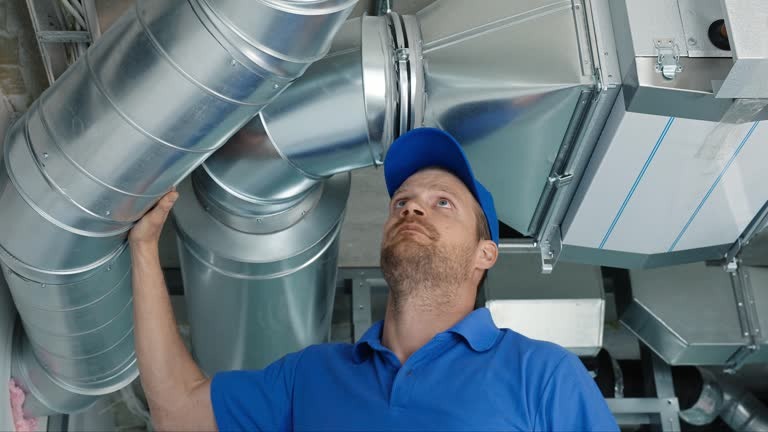
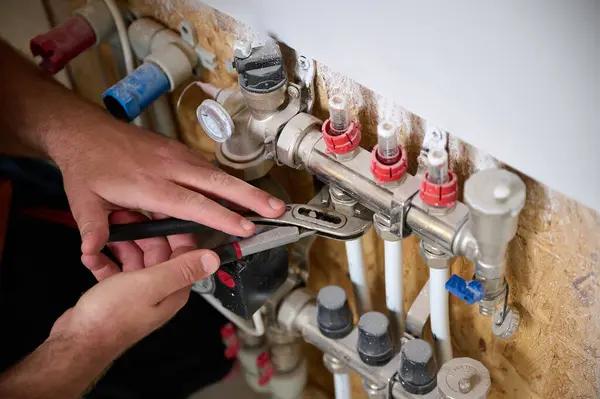
One of the most straightforward methods to enhance energy efficiency is by regularly maintaining your HVAC system. Scheduling annual inspections and maintenance checks with a qualified technician ensures that your system runs smoothly throughout winter. A well-maintained furnace or heat pump operates uncover more efficiently, reducing unnecessary energy expenditure.
Another critical step involves optimizing thermostat settings. Lowering the thermostat by just a few degrees when you’re asleep or away from home can lead to significant savings without sacrificing comfort. Consider investing in a programmable or smart thermostat that automatically adjusts temperatures according to your schedule, maximizing efficiency without requiring constant manual adjustments.
Sealing drafts around windows and doors is another essential measure in conserving heat within your home. Use weather stripping or caulking to close any gaps where warm air might escape and cold air could enter. Additionally, installing heavy curtains can provide an extra layer of insulation against chilly outdoor temperatures.
Improving insulation in key areas such as attics, walls, and basements can also make a substantial difference in retaining heat indoors. Properly insulated homes require less heating because they prevent warmth from escaping easily through structural elements.
Ceiling fans aren’t just useful during summer; they can also help distribute warm air evenly throughout rooms during winter months when set to rotate clockwise at low speed. This simple adjustment helps push rising warm air back down into living spaces rather than letting it accumulate near ceilings.